Convoys Wharf before and after rubbish removal success
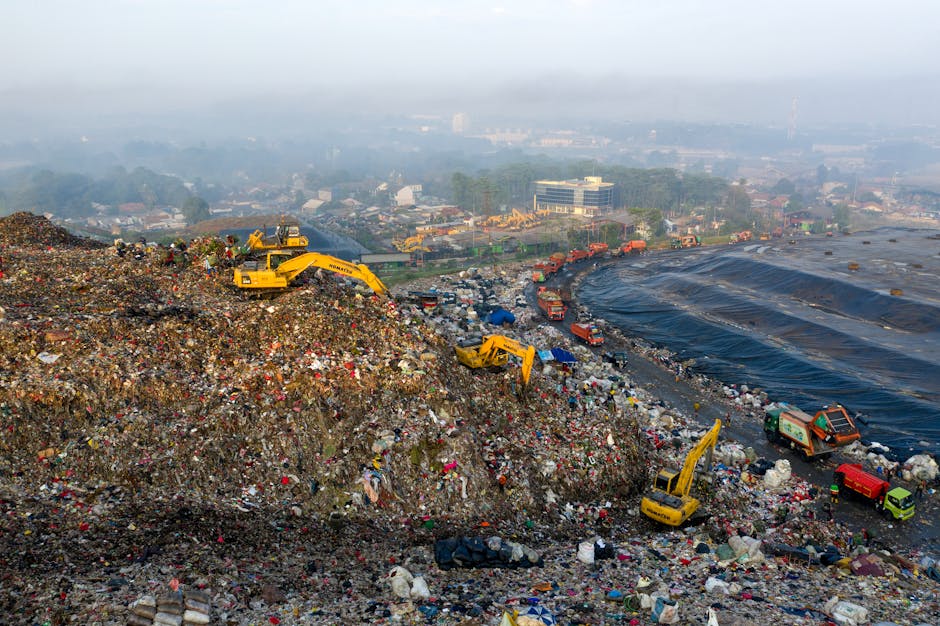
Convoys Wharf has a way of reminding you that a site's story is rarely written in one go. One week it can look cluttered, tired, and slightly overwhelming; the next, once rubbish removal has been handled properly, it feels open, workable, and far easier to imagine as a place with a future. That before-and-after difference is the real point of Convoys Wharf before and after rubbish removal success. It is not just about "making things look tidy". It is about restoring space, reducing risk, improving workflow, and creating the kind of environment where decisions become simpler.
If you are planning a clearance, managing a redevelopment stage, or simply trying to understand what proper waste removal can achieve on a London site, this guide walks you through the practical side of the process. We will look at why it matters, how it works, who benefits most, the common mistakes to avoid, and what a good result actually looks like in the real world. Not the glossy version. The useful one.
Why Convoys Wharf before and after rubbish removal success matters
Convoys Wharf is the kind of place where scale changes everything. Large sites accumulate mixed waste quickly: builders' debris, broken fixtures, packaging, old furniture, offcuts, pallets, and the odd item that seems to appear from nowhere. Before removal, all of that can make the space feel blocked, noisy, and hard to assess. After removal, you get something much more valuable than a cleaner corner. You get visibility.
That visibility matters because clutter hides problems. It can hide access issues, unsafe materials, trip hazards, drainage blockages, damaged surfaces, and areas where work has stalled. Once the waste is cleared, people can actually see what needs doing next. In a place like Convoys Wharf, that can improve planning almost immediately. To be fair, that is often the real win.
There is also a practical business case. A rubbish-filled site can slow trades down, create bottlenecks, and make stock or materials harder to move. A cleared site supports better sequencing. It also makes inspections, photography, and contractor handovers much easier. When the before-and-after change is obvious, the value of proper waste management becomes obvious too.
For many people, the phrase before and after sounds cosmetic. It is not. In a working environment, it can be the difference between guesswork and clarity. And clarity saves time. Sometimes a lot of time.
How Convoys Wharf before and after rubbish removal success works
The process is usually more methodical than people expect. Good rubbish removal is not just "load it and go". It starts with a site review, continues through segregation and safe handling, and ends with the right disposal route for each waste stream. That is what creates a genuine success story, rather than a quick tidy-up that causes problems later.
On a site like Convoys Wharf, the first step is usually a visual assessment. The team identifies what is there, how much there is, whether anything needs special handling, and whether access is straightforward or awkward. Narrow routes, uneven ground, wet weather, or partial occupancy can all change the plan. London sites often have at least one of those. Usually several.
Then comes sorting. Mixed loads are common, but they should not be treated casually. Timber, metal, plasterboard, plastics, green waste, appliances, and confidential materials may all need different handling. If hazardous items are present, they must be separated and treated carefully. This is where professional judgement matters, not just muscle.
Once the waste is loaded and removed, the before-and-after difference becomes visible in stages. First, access opens up. Then floor areas, walkways, and loading zones become usable again. Finally, the site starts to feel intentional rather than accidental. That may sound simple, but anyone who has worked around a congested site will know the feeling. It is a bit like being able to breathe properly again.
What a successful clearance usually includes
- Clear identification of general, recyclable, and specialist waste
- Safe lifting and loading with minimal disruption to other work
- Removal from access points without blocking routes for too long
- Responsible disposal or recycling where appropriate
- A visibly cleaner, safer, and easier-to-manage site afterwards
Key benefits and practical advantages
The most obvious benefit is a cleaner site, but that is just the surface. A proper rubbish removal success at Convoys Wharf brings a cluster of smaller gains that add up quickly.
1. Better safety. Loose waste, sharp edges, unstable piles, and blocked routes are all reduced once the site is cleared. That lowers the chance of day-to-day accidents and makes movement around the site much smoother.
2. Faster work progress. Crews can access the areas they need without detours or constant tidying. A good clearance often unlocks momentum. You feel it on site, honestly. Less stopping, less shuffling, less frustration.
3. Easier planning. Once rubbish is gone, the remaining work is easier to assess. That helps with scheduling, material delivery, and decisions about what comes next.
4. Better presentation. If the site needs to be shown to stakeholders, clients, landlords, or project partners, a clear space makes a stronger impression. No one wants to walk into a place that looks forgotten.
5. Smarter waste handling. Segregating recyclable and non-recyclable materials supports better resource use. If you are looking for a broader approach, the company's recycling and sustainability approach is worth considering alongside general clearance planning.
6. Reduced stress. This one is underrated. A messy, crowded site is mentally tiring. Once the rubbish is gone, the whole job tends to feel more manageable.
| Before removal | After removal |
|---|---|
| Blocked access points | Clear movement and easier loading |
| Unclear waste types mixed together | Better sorting and disposal decisions |
| Trip hazards and visual clutter | Improved safety and site visibility |
| Slower working conditions | More efficient daily operations |
| Harder to inspect or hand over | Easier review, planning, and presentation |
Who this is for and when it makes sense
This kind of rubbish removal is useful for a wide range of people, not just major developers. If you are looking at a site, flat, house, office, or mixed-use space around Convoys Wharf and feeling that the waste is getting in the way, you are already in the right ballpark.
It makes sense for:
- Property managers dealing with accumulated rubbish or abandoned items
- Contractors who need a clean site between project stages
- Landlords preparing a property for re-let or inspection
- Businesses clearing stockroom waste, packaging, or old equipment
- Households or flat occupants needing a large-scale clear-out before moving or renovating
- Facilities teams that need dependable, compliant removal without drama
It also makes sense when there is a timing issue. For example, before a survey, before a delivery, before a handover, or before work starts on a new section of the site. The day before, if you can manage it, is often better than the day after. Obvious, but easy to miss when everyone is busy.
If you are clearing mixed domestic items as part of a wider property project, it can also help to look at specific services such as house clearance, flat clearance, or home clearance, depending on the setup.
Step-by-step guidance
If you want a cleaner before-and-after outcome, it helps to think in stages. Rushing the removal without a plan is usually how people end up paying twice in time and effort. Nobody wants that.
- Walk the site properly. Make a note of where rubbish has gathered, what is blocking access, and whether there are any fragile or hazardous items mixed in.
- Separate obvious special items. Appliances, confidential waste, old furniture, and anything potentially hazardous should be identified early.
- Choose the right removal method. A small clear-out may suit a straightforward collection, while larger volumes may need a more structured plan. If you are unsure about the loading implications, the page on what can go in a skip can help set expectations.
- Check access and timing. Stairwells, lift access, parking, loading points, and neighbour impact all matter more than people think.
- Remove waste in the right order. Heavy or awkward items should not be left until last if they are blocking the path. Common sense, really.
- Inspect the cleared area. Once the rubbish is gone, check for hidden damage, leftover debris, and any safety issues that were masked before.
- Document the result. Before-and-after photos can be very useful for teams, clients, or handovers. It also gives you a clean record of progress.
A good removal job should leave the site easier to read, not just emptier. That is the difference between a tidy-up and a proper success.
Expert tips for better results
Here is the part people often skip, and then regret. The better the preparation, the better the outcome. Simple enough, but it really holds true.
- Label waste types before removal day. Even rough separation helps. It saves time and reduces the chance of mixed-load confusion.
- Keep a clear route from the waste pile to the exit. One small obstruction can slow everything down if the site is awkward.
- Remove high-value or sensitive items first. That includes documents, equipment, keys, and anything that should not be handled casually.
- Do not underestimate bulky furniture. Sofas, desks, cabinets, and mattresses take more room than expected. For those items, dedicated pages like mattress and sofa disposal or furniture disposal can be useful references.
- Think about the end use of the space. A cleared site for storage needs a different finish than a cleared site for a handover or inspection.
- Plan for awkward waste early. Fridges, appliances, and similar items are best dealt with separately. If that sounds like your situation, see fridge and appliance removal.
A small practical note: don't let the first clean-looking corner fool you. Sites often hide a second layer of rubbish behind the first. It happens more than people admit.
Common mistakes to avoid
Most clearance problems are not dramatic. They are just a series of small misjudgements that snowball. The good news is that they are easy enough to avoid once you know what to watch for.
Leaving sorting too late. If everything is piled into one area, disposal becomes slower and less efficient. It also makes it harder to identify hazardous or recyclable material.
Ignoring access constraints. A site may look easy on paper and then turn awkward the moment a vehicle, lift, or staircase is involved. Always check the route, not just the pile.
Forgetting special waste. Some items need more care. Hazardous waste, confidential paper, and appliances should not be treated like ordinary mixed rubbish. That is where pages such as hazardous waste disposal and confidential shredding become relevant.
Not budgeting for the full job. Sometimes the visible waste is only half the story. There may also be items in lofts, garages, or storage areas. If so, linked services like loft clearance or garage clearance may fit better than a simple one-off removal.
Assuming "gone" means "handled properly". A successful outcome is not only about what disappears from view. It is also about where it goes, how it is handled, and whether the site is left in a sensible state afterwards.
Tools, resources and recommendations
You do not need a huge toolkit for a good rubbish removal result, but a few basic items make the whole process smoother.
- Gloves and sturdy footwear for anyone near the waste pile
- Labels or tape to mark reusable, recyclable, and hazardous items
- Torches for checking dark corners, especially in older or partially cleared spaces
- Bagging supplies for loose debris and smaller items
- Camera or phone photos to document the condition before and after
- Basic access notes covering parking, entry points, and any restrictions
For those comparing service options, it helps to look at the type of waste first, then the practicalities. A lot of people begin with a price question, which is fair enough, but the better question is: what needs removing, from where, and under what conditions? That's where the answer usually gets clearer. If you want to explore that in more detail, the pricing and quotes page is a sensible starting point.
For larger or mixed jobs, it can also be worth reviewing business waste removal and builders waste clearance so you can match the service to the site conditions rather than forcing the site to fit the service.
Law, compliance, standards, or best practice
Rubbish removal in the UK is not just a logistical task; it carries responsibilities around safe handling, correct disposal, and proper duty of care. You do not need to become a legal expert to manage this well, but you do need to avoid casual shortcuts. That is where trouble starts.
Good practice usually means:
- using a responsible waste carrier
- separating hazardous or specialist items where required
- protecting workers and visitors from obvious hazards
- avoiding fly-tipping or unverified disposal routes
- keeping accurate enough records for your own reassurance and operational control
On construction or redevelopment sites, health and safety expectations are especially important. Waste that is left in circulation routes can create avoidable risk. Sharp materials, unstable stacks, and blocked exits are all the kind of thing nobody wants to explain after the fact. A careful approach is just sensible. The company's health and safety policy and insurance and safety information are relevant if you want a clearer idea of the kind of safeguards a professional service should have in place.
For payment confidence and general service terms, it is also worth reviewing the payment and security page and the terms and conditions. It sounds dry, sure, but it avoids silly surprises later.
Options, methods, or comparison table
Not every removal job needs the same approach. Here is a simple comparison to help you decide what fits your situation best.
| Method | Best for | Strength | Trade-off |
|---|---|---|---|
| One-off rubbish removal | Clear, defined piles of mixed waste | Quick and straightforward | Less flexible for ongoing waste |
| Builders waste clearance | Construction debris, offcuts, renovation waste | Suited to active sites | Needs better segregation if waste types vary |
| Furniture or bulky item disposal | Desks, sofas, mattresses, cabinets | Good for space-heavy items | Can require more handling time |
| Ongoing business waste removal | Regular commercial waste streams | Predictable and convenient | Less ideal for a single clean-up surge |
| Combined clearance and removal | Sites with mixed domestic, office, and bulky waste | Flexible and efficient | Needs careful planning to avoid confusion |
If the site includes office contents as well as general waste, a more tailored service such as office clearance may be a better fit than trying to force everything into one generic job.
Case study or real-world example
Here is a realistic example based on the sort of work that often comes up around large London sites. A mixed-use space had gathered weeks of leftover packaging, broken storage items, wood offcuts, and a few bulky pieces of furniture tucked into corners. At first glance, the space looked almost unusable. People were working around it rather than through it, which is always a bad sign.
The clear-out started with a basic walk-through and a quick decision on what needed separate handling. A couple of awkward items were moved out first, then the rest was broken down into manageable groups. Nothing fancy. Just sensible sequencing. After removal, the team could see the floor area properly for the first time in ages. That meant easier access, fewer obstructions, and a cleaner handover to the next stage of work.
The biggest change was not visual, though that was obvious. The biggest change was pace. Once the clutter disappeared, the team stopped stepping around problems and started moving the project on. That is the hidden value of rubbish removal success: it restores momentum. You can almost hear the site quieten down a bit when the clutter goes. Weirdly satisfying, actually.
For a property with multiple spaces involved, the right combination might include furniture clearance, waste removal, and, if necessary, home clearance. The point is not the label. The point is matching the method to the mess.
Practical checklist
Use this before you book or begin a clearance. It keeps the job tighter and stops the usual little mistakes from creeping in.
- Identify the main waste types on site
- Check for hazardous, electrical, or confidential items
- Measure access routes and loading points
- Confirm whether bulky furniture or appliances are included
- Decide whether you need a one-off or ongoing service
- Take before photos for records
- Clear the route to the waste pile
- Separate anything that should not be mixed
- Review pricing, terms, and service expectations
- Inspect the area again after removal
Quick reality check: if the pile is bigger than it first looked, that is normal. It happens all the time. Better to spot it early than discover it halfway through a busy afternoon.
Get a free quote today and see how much you can save.
Conclusion
Convoys Wharf before and after rubbish removal success is really a story about turning disruption into direction. Before the clearance, the site may feel congested, uncertain, and slightly harder to trust. Afterward, it feels clearer, safer, and more capable of supporting real progress. That shift matters whether you are managing a project, preparing a property, or simply trying to get your space back under control.
The best results come from proper planning, sensible sorting, and a waste approach that fits the site rather than fighting it. If you remember nothing else, remember this: a good clearance does more than remove rubbish. It gives the whole place its shape back. And that is worth doing properly.
Frequently Asked Questions
What does Convoys Wharf before and after rubbish removal success actually mean?
It refers to the visible and practical improvement that happens once accumulated waste is removed from the site. The before state is cluttered, blocked, or hard to assess. The after state is cleaner, safer, and more workable.
Why is rubbish removal so important on a large site like Convoys Wharf?
Large sites can become difficult to navigate very quickly. Rubbish removal improves access, reduces hazards, and makes it much easier to see what still needs to be done.
What types of waste are usually involved?
It can include mixed rubbish, builders' debris, packaging, broken furniture, old fixtures, appliances, and sometimes confidential or hazardous items. The exact mix depends on the site and the project stage.
Do I need a specialist service for bulky furniture or appliances?
Often, yes. Bulky items take extra handling and may need a more tailored approach. Services like furniture disposal or fridge and appliance removal are usually more suitable than treating everything as general waste.
How do I know if waste is hazardous?
If an item could be harmful, leak, react, or require special handling, it should be treated cautiously. When in doubt, separate it and ask for proper guidance rather than mixing it into ordinary waste.
Can rubbish removal help with project timelines?
Yes. A clear site is usually easier to work on, inspect, and hand over. That can reduce delays caused by blocked access or unclear working areas.
What is the difference between a tidy-up and a proper clearance?
A tidy-up removes the obvious mess. A proper clearance considers sorting, access, disposal route, and end-use of the space. It should leave the area genuinely easier to work in, not just better looking for a moment.
How should I prepare before a clearance starts?
Walk the area, note access points, separate special waste, and decide what absolutely needs to go. A few minutes of preparation can save a lot of back-and-forth later.
Is recycling part of the process?
It can be, depending on the material. Recyclable waste should be separated where practical, and a responsible clearance approach should try to keep reusable or recoverable items out of general disposal where possible.
What should I check in the service terms before booking?
Check what is included, how access is handled, whether special items need advance notice, and what happens with payment or changes on the day. The terms and conditions and payment pages are worth a proper read.
Can a clearance service handle both domestic and commercial waste?
Yes, if the job is arranged appropriately. Mixed jobs are common around redevelopment and property management sites, but the waste types should be described clearly from the start so the right approach is used.
What is the biggest mistake people make with rubbish removal?
Leaving everything until the last minute. The second biggest mistake is assuming all waste is the same. It is not, and treating it that way tends to cause delays, confusion, or safety issues.
How do I tell whether the result is genuinely successful?
You should be able to move through the site more easily, see surfaces and access points clearly, and continue work without constantly working around waste. If the place feels calmer and more usable, that is usually the sign.